Skiing
Before you go skiing, make sure you have the safety equipment and clothing. Depending where you go or who you go with, some items may get provided to you at a slight extra cost but cheaper then if you got it on your own. Meaning, make sure you always go your research beforehand.
Make sure to bring with you:
- Clothing should include; A base layer, mid layer and outer layer, crucial for warmth, insulation and staying dry within the weather. Ski socks, pack 2 to 3 pairs to keep your feet warm throughout your trip. Accessories, don't forget your hat, gloves and neck scarf to protect against any cold winds.
- Ski equipment essentials; Skis, if you own them (otherwise consider renting for your resort if you are at one). Ski boots, ensure that they are both comfy and compatible to your skis. Helmet and googles, protect you from UV rays and winds.
- Other essential items; Sunscreen and lip balm, protect both your skin from any potential high UV. Snacks and water, pack energy bars or snacks for slopes but don't forget to stay hydrated. Small backpack, can be useful for carrying snacks, water and spare layers while you ski. Portable charge, keep your device charged as you never know when you may need help.
If you have got everything, enjoy your day out. remember to stay safe!

WHAT SHOULD YOUR AIMS FOR SKIING BE?
While skiing is an individual sport typically, you can set your own aims and goals to complete and improve on. Advised aims and goals can include;
- Physical conditioning - Strengthen your legs and core strength, specifically squats and lunges, to help reduce fatigue and prevent injury.
- Leadership - Skiing is an unconventional way to improve your leadership skills. Involving calculated risks, strategic planning and communication (if your going with a group).
- Personal development - Skiing facilitates significant personal development through resilience, mind focus and confidence as an individual. Meaning if you wish for personal growth, skiing is extremely beneficial due to the conditioning.
- Skills - Every skill level has skills for you to aim to develop. Beginners have Snowplough/stopping, Body position and Transition to parallel. Learning the basic essentials of how you stop and do turns correctly. While intermediate skiers learn parallel turns, basic carving and speed control. Allowing for more controlled skiing, having better turns and no longer skidding on the snow. Whereas advanced skiers learn short-radius turns, dynamic turns and carving. Allowing them to turn directions quicker as well as faster on the dynamic turn. Giving you something to aim to complete on each difficulty.
Skiing is for everyone
Skiing can be for toddlers who can have specialized gentle lessons, to active seniors. Making skiing a life-long family friendly sport. Some resorts can offer childcare for infants as young as 3 months old, so take your chances.
Children, 5-12 years
Ages 5 to 12 years old are considered your prime time for learning how to ski, making it the best time for you to start getting into skiing. You can find group lessons that are focused on technique and fun. Allowing little ones to start there early steps and find what may turn out to be there passion and future life goal.
Teenagers, 13+
For 13 and up, you are offered more challenging lessons for teen-specific groups. Allowing you to grow with those in your age group and test your limits. Or you can also do freestyle/park activities if you wish to try make progress on your own. Supervision is advised.
Adults, 18-60+
18 to 60 year olds are offered a wider variety. You have beginner lessons to advance ones which you can partake in. Encouraging anyone to start getting involved in skiing. With resorts catering to families, couples and solo travellers. Allowing any group to partake.
Seniors, 60+
Senior skiing is more known for the social aspects an staying active. Many resorts offer thriving senior communities and specialized, slower-paced or technique-refining groups. Allowing you to develop the skills you wish to master while you still can and a community to rely on when needed.
Different levels
Everyone has to begin somewhere. Only from there we manage to develop our performance. Courses will be tailored around different skill sets, either welcoming newer people or aiming to challenge those who are more skilled. Be aware of where you fall before you go out.
Beginner
A beginner is someone who is just starting to learn a skill or take part in an activity. Beginners are recommended to stay on beginner friendly courses until confidence is built up. Improvements will not always be instantly seen.
Intermediate
A intermediate skilled person's knowledge exceeds basic knowledge. Despite this though they are not yet at a level of expertise. Allowing them to complete more complex courses then a beginner, giving more opportunities.
Advanced
An advanced has high levels of knowledge, skill and/or experience. This is gained through extensive training typically. They can complete even more complex courses though stay cautious of your surroundings.
Specialized
Specialised skills involved being highly trained within the field. Allowing them to complete specific moves that others would not be able to complete, or have a deeper depth of ability/move sets within those skills.
For example, someone who is specialised has better weight management on snow compared to a beginner. This allows them to cover more land as the depth of snow can vary. Allowing for them to have control over there direction and control due to maintaining grip and less resistance from the snow.
Providers
International Ski and Snowboarding Federation
- The Ski and Snowboard federation oversee Olympic disciplines and oversees competitions. Ensuring that any skiing which is done is governed by international rules and promotes sport globally. Aiming to get more people involved in the sport.
- They work alongside the International Olympic Committee and the International Paralympic Committee. Whom play significant roles when it comes to regulations and promotion of ski events. Creating a safe and fair environment for those who shall wish to compete in the events.


Marketing
Skiing providers often market skiing through making it seem like the dream experience. This is done through travel agencies who earn also earn money if someone book the trip through them. Alternatively, many have websites in which they offer seasonal passes months before winter, often adding discounts to encourage people to buy them. This way they can make up the loss in the discount through people having to pay for catering and still earn profit.
Different sector providers
Public:
- Top public providers for skiing as of 2026 include Virgin Holidays, Discover the World and Skiworld. Whom all offer high-rated, varied packages across Europe and North America. Packages include things such as Crystal Ski (including flights, accommodation and lifts), Neilson (Activity-focused, offering social ski experiences) and Inghams (extensive packages to places such as Lapland with flexible pay). Public sectors will often cost you £2000 to £5000 depending where you go.
Private:
- Private ski experiences typically specialize in bespoke, luxury and catered ski experiences leading to personalized service and experience. Key operators include Bramble Ski (specialized in high-end catering and self-catered chalets in the Alpes), VIP Ski (known for boutique catered chalets and in-resort private nannies), Consensio (Offers exclusive, serviced chalets in France) and Scott Dunn (tailored, luxury ski holidays with high-end service). Providing tailored experienced to numerous who can afford it. Costing on average £700 to £1,500, with accommodation exceeding £1,048 to £1,747
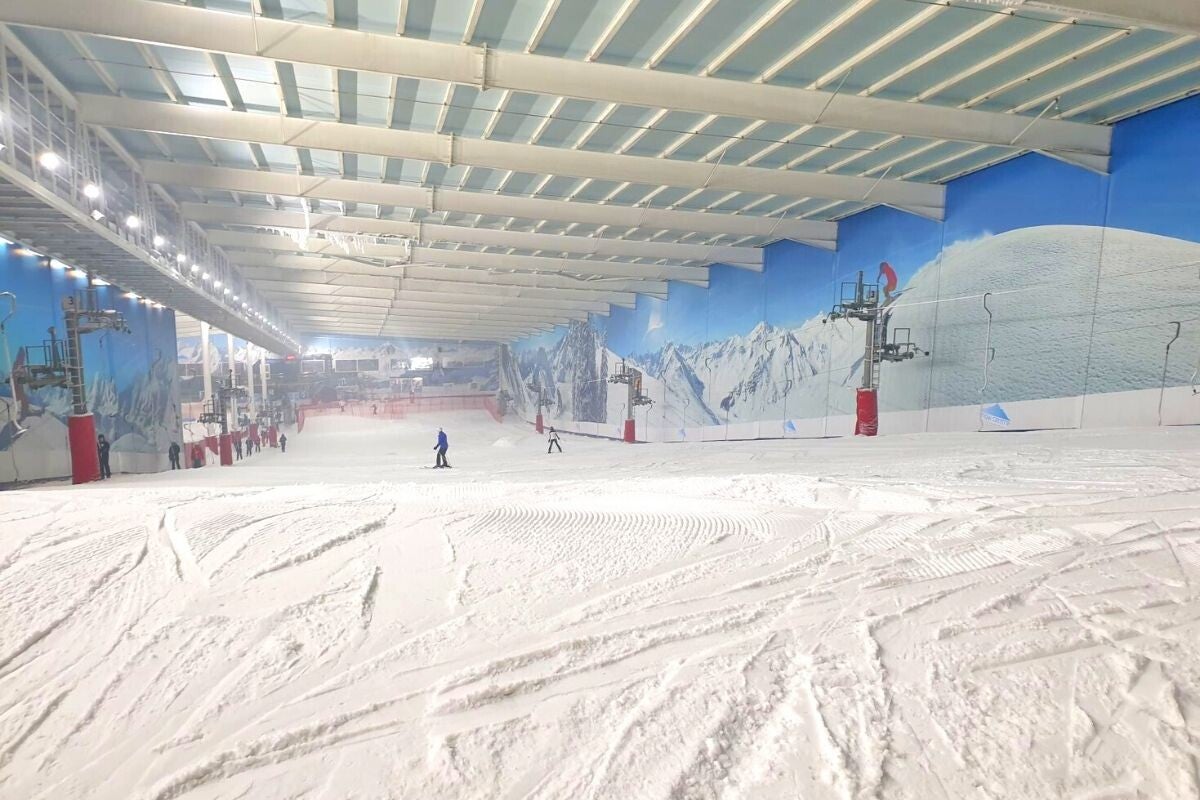
The Snow Centre, UK
The Snow Centre in Hemel Hempstead is a man-made indoor snow sports facility which is located in Hertfordshire in England. It is classed as one of UK's premier indoor ski and snowboarding destinations. It features a 160 metre main slope which gets covered in real snow all year round, while also having separate slopes which are gentler for beginners training.
Key features:
- Real snow - Unlike artificial slopes which are dry, it offers authentic skiing and snowboarding through the use of real snow
- Two main areas - It has a main slope with a height of 160m which contains a 30m drop. Recommended for intermediate and advanced skiers. While having lessons slopes which are shorter and shallower for beginners. Offering an experience for everyone
- Equipment hire - Skis, snowboards, boots, helmets and clothing are available to rent. Allowing for people to try skiing before committing to equipment.
- Lessons and Coaching - Qualified instructors are on site who can provide private and group lessons to all ages and skill levels.
Beginner Friendliness:
The Snow Centre has been known for being on of the best place within Southern England for beginners to learn skiing. Due to having lesson slopes, beginners are able to learn at their own pace in a safe and controlled environment. With have instructors who are experienced in working with people skiing for the first time. As well as having structured progression programs available for those who wish to partake in them.
Who it is ideal for:
- Beginners who are yet to have ever tried skiing.
- Families - special sessions are offered which are catered towards kids and family groups.
- Intermediate skiers who are aiming to practice or maintain skills before going on a trip abroad.
- Advanced skiers who are wanting to refine technique, especially when it is no longer winter season.
Not ideal for:
- Freestyle skiers who are looking for extensive park features. Due to limited space, small freestyle features are set-up but not commonly done.
- Those who are after long alpine-style runs due to the slope length. They are great for practice but is not comparable to mountain resorts.
For an inside view, look at the following video:
Contact
Hemel Hempstead HP3 9NH
Hours
Open every day
Tuesday, Saturday & Sunday
7AM - 10 PM
Monday
10AM - 6PM
Wednesday, Thursday & Friday
7 AM - 10PM
Phone
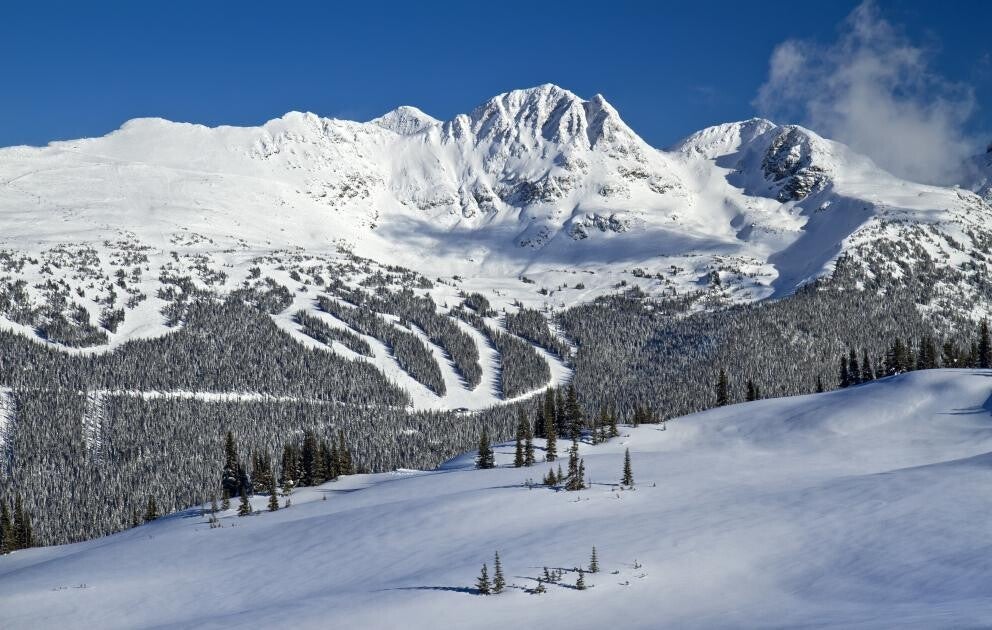
Whistler, Canada
Whistler is known as North America's largest and most iconic ski destination. It is located in the Coast Mountains of British Columbia Canada which is around a 2 hour drive from Vancouver. Offering over 8,000 acres of skiable terrain which includes two mountains, Whistler and Blackcomb, which is connected by the Peak 2 Peak Gondola. It is heavily reliable on its heavy snowfall which lasts often from later November throughout April or longer. Meaning it has a longer winter season then the average winter season. Whistler is a natural, compete skiing location.
Key features:
- Massive terrain variety - Whistler has 200+ marked runs, involving runs which are gentle groomers to steep bowls and chutes. Some trails can stretch up to 7 miles long (e.g. peak to creek)
- Peak 2 Peak Gondola - Gondola is a word record holding life which links 2 mountains. Containing spectacular views of valleys and peaks.
-
Lessons and services - Contains a high regarded ski school with lessons for both adults and kids. Teaching skills from first turn to advanced skills.
- Off-Slope activities - Offers more than just skiing. You can experience other winter activities such as snowshoeing, bobsleigh and cultural exhibits at Whistler.
Beginner friendliness:
Whistler is beginner friendly to an extent. It has designated beginner areas with gentle slopes, magic carpet lifts and instruction zones on both mountains. Ensuring as much safety as possible for beginners who choose to adventure to Whistler. The ski school is known for being excellent at teaching first-timers, giving opportunities to learn. As well as having certain green runs, such as around the Olympic chair zone, are perfect for early progression.
Though despite this, only around 20% of the terrain is truly beginner friendly. Most the mountain caters towards intermediate and advanced skiers. As well as some green runs can feel bigger or steeper than at the smaller ski hills you get in European and Eastern resorts. Combine thing with the long trials, it can become tiring for beginners. It is recommended for them to focus on the lower mountains zone which is aimed towards teaching.
Who it is ideal for:
- Beginners - can be enjoyable with lessons and patience. It is best suited for those who wish to progress quickly.
- Intermediates - A huge range of groomed blues and scenic long runs makes it the perfect ski place for you.
- Advanced and Experts - extensive off-piste, alpine bowls, steep chutes and serious terrain allows for skills to be put the test.
- Families - Has great infrastructure as well as kid-friendly zones.
For an inside view, look at the following video:
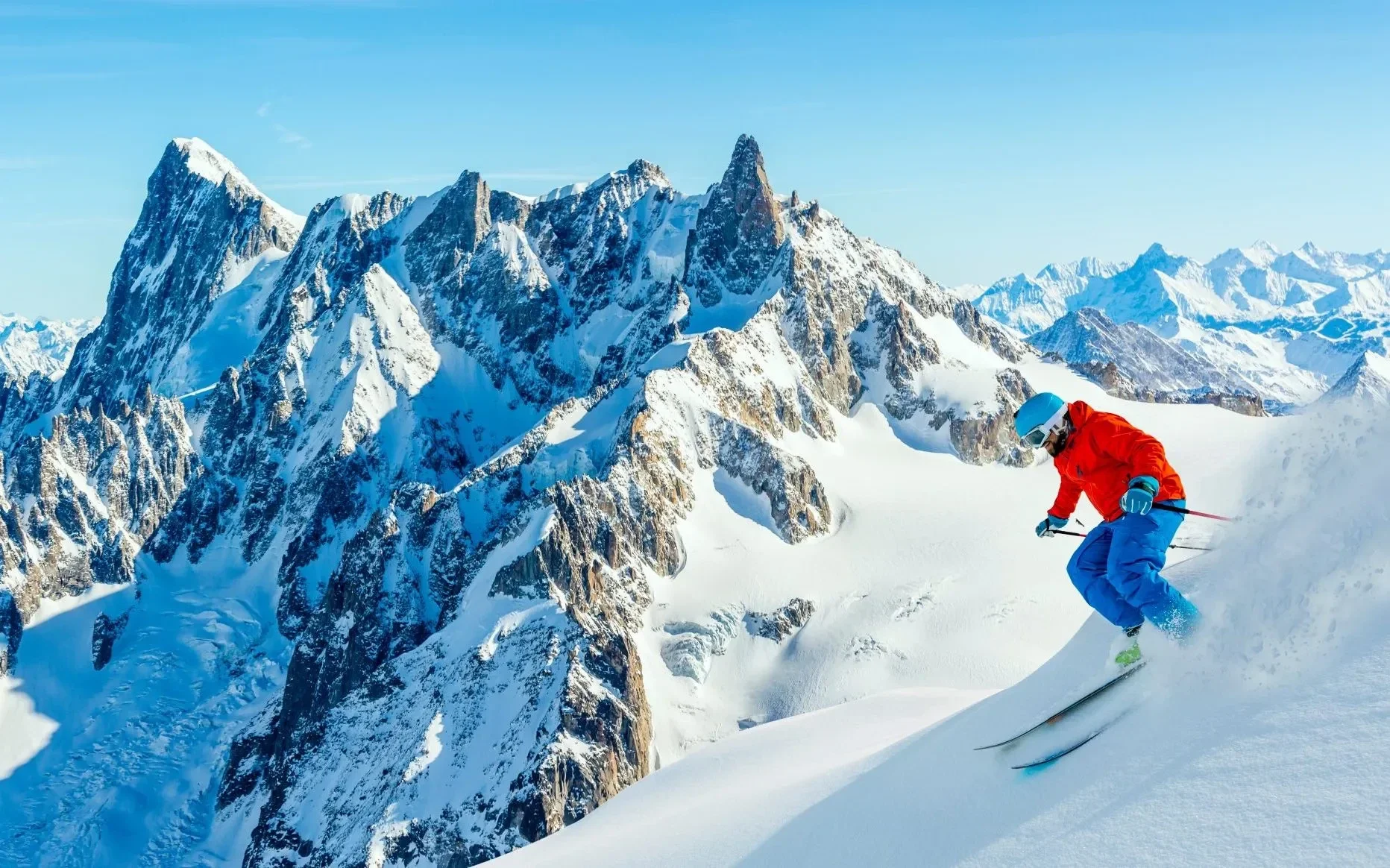
Chamonix, France
Chamonix Mont-Blanc, often known just as Chamonix, is a historic ski destination. It is nestled in the French Alpes at the foot of Mont Blank containing Western Europe's highest peak. Skiing here isn't one huge linked area like some resorts, rather the valley comprises several distinct ski areas with their own character and terrain. Due to this Chamonix has become known for its gentle nursery slopes to some of the most challenging freeride slopes and off-piste in the Alpes. It is a natural ski area that has been made into a resort.
Key features:
- Las Grands Montets - an expert and freeride mecca within Chamonix.
- Brévent-Flégère - Known for having stunning panoramas and varied intermediate terrain.
- Les Houches - Tree skiing and family terrain, one of the safer areas to ski within the mountain.
- Le Tour/Balme - a wide, scenic run area which is good for gaining progression.
Beginner friendliness:
Chamonix is open to beginners but they are limited to specific limited zones rather than the huge interconnected networks. Areas beginners can go into include:
- Les Planards - Close to the centre of town. Having gentle slops, green/blue runs and easier lifts.
- Le Savoy - a small area which is a dedicated beginner zone at the foot of Brévent.
- La Vormaine (Balme/Le Tour) - One of the largest nurserys as well as a gentle slop area. Known for being great for beginners.
- Les Chosalets - Gentle, low-altitude beginner terrain located near Argentière.
- Les Houches/Prarion - Contains easy tree-lined run, as well as beginner friendly terrain which is higher up.
Chamonix ski school is also known for being excellent, allowing many beginners to learn the basics and build confidence within these areas containing professional instruction.
Despite this though, Chamonix's overall terrain is more challenging. Especially when you get out of the beginner zones. Even some of the blue runs feel steeper than what you find in other French resorts. As well as the ski zones not being connected may mean beginners need to take transport between zones to be able to access them.
Who it is ideal for:
- Beginners - Absolute beginners can learn at Chamonix, especially in the nursery areas. Though you will not find vast linked beginner runs meaning you will spend most your time in dedicated zones.
- Intermediates - Chamonix is great for confident intermediates who want variety and challenge. You can find moderate blue and red runs around Brévent-Flégère, Le Tour, and Les Houches for you to complete.
- Advanced and experts - Chamonix offers you serious terrain with long vertical drops, big mountain skiing and technical lines. Contains one of the world's most famous off-piste route names The Vallée Blanche which is a 20km glacier descent which requires you having a guide. Overall offering you numerous challenging steep couloirs, off-piste bowls and freeride zones.
For an inside view, look at the following video:
Contact
117 Route des Pècles,
74400 Chamonix-Mont-Blanc
Hours
Open every day
8AM - 7:30PM
Phone
Return home
If your heart isn't set on skiing, it is worth checking out our other opportunities. Don't give up finding a sport which may win your heart over!
Create Your Own Website With Webador